 Search


02/04/2026
Affordable housing starts long before a building opens. It begins with land.
ULC often buys and holds vacant land so it can become and remain a community benefit, whether as affordable housing or commercial space for nonprofit uses. But there is a tricky part of that work: we may hold a site for years while a project gets zoning, permits and financing. During that wait, even though that vacant land is not in use, ULC pays property taxes on it.
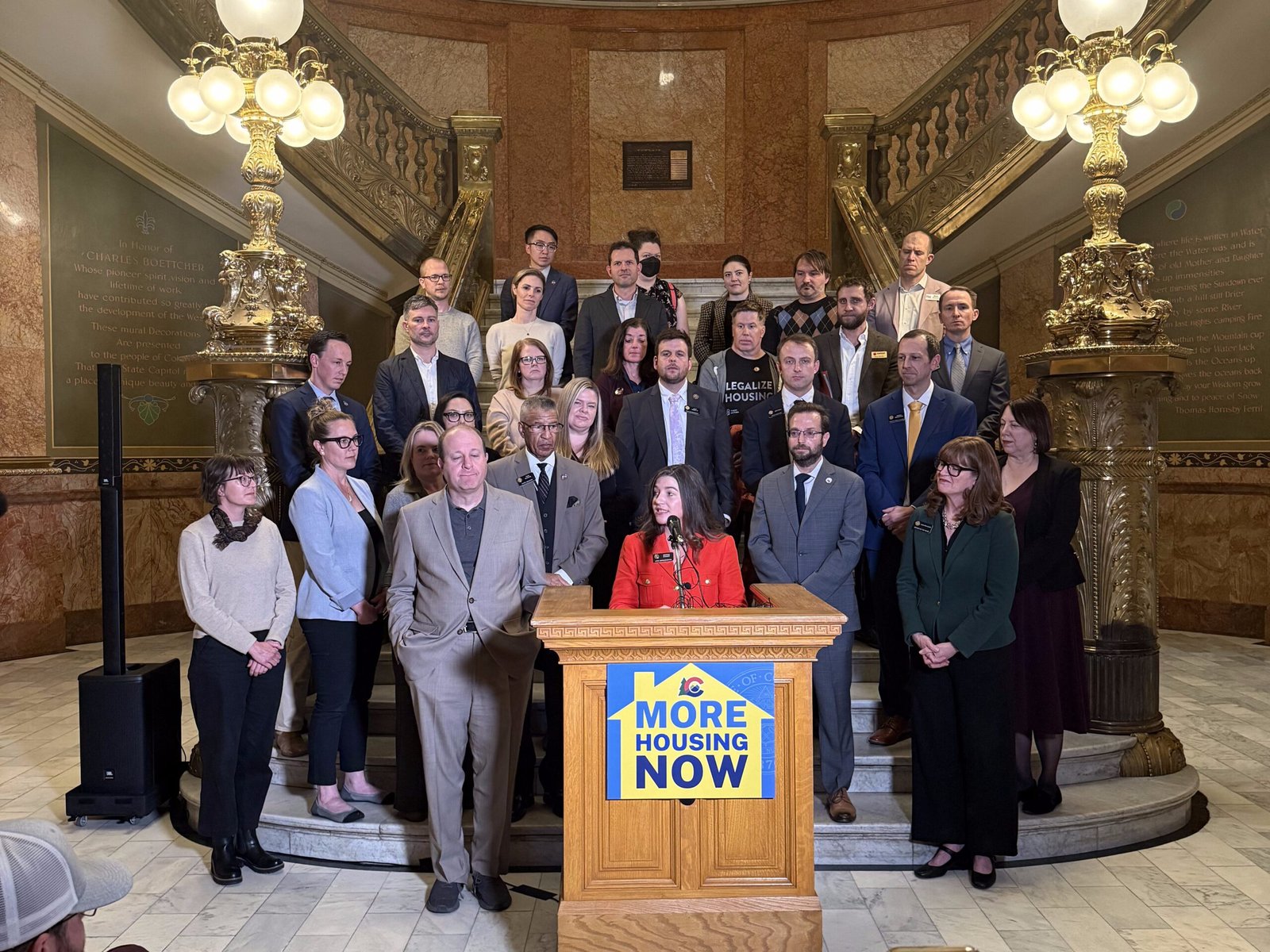
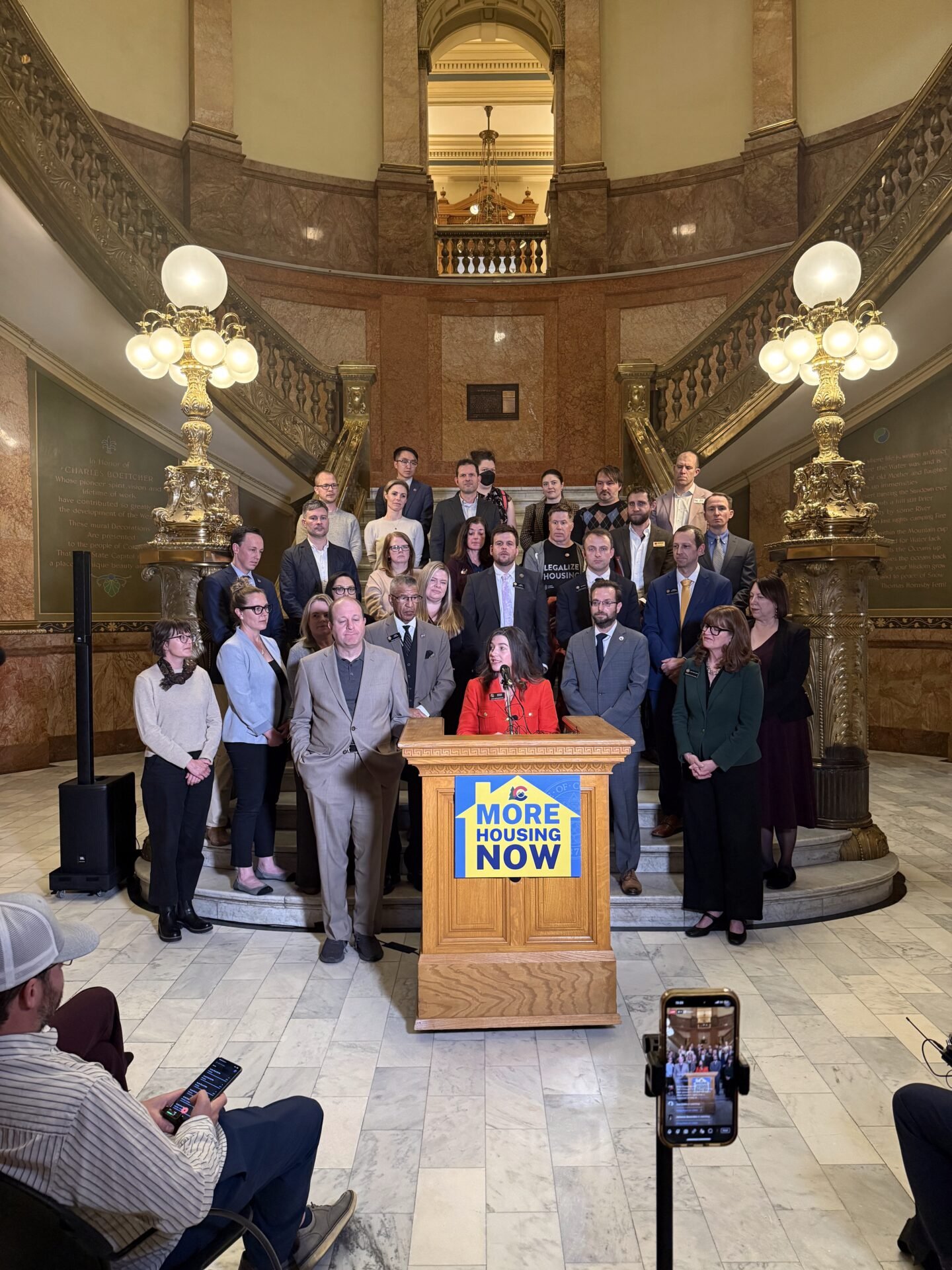
Colorado House Bill 26-1066 could help change that. Sponsored by state Rep. Rebekah Stewart (D-Lakewood), state Rep. Katie Stewart (D-Durango), and state Sen. Matt Ball (D-Denver), the bill would expand an existing property-tax exemption for nonprofits that develop for-sale affordable housing — to cover nonprofits that develop for-rent affordable housing.
If this bill passes, nonprofit housing providers statewide could save money that would otherwise be paid in taxes on vacant land and reinvest those savings into their missions. That could mean buying and holding more sites, advancing projects faster, or putting the dollars toward services or amenities for residents. In the end, any cost savings by nonprofit affordable housing developers in Colorado will mean more housing, and housing that is more affordable. As Rep. Rebekah Stewart put it, the bill is “very simple — it saves renters money.”
Why is this needed? Affordable rental developments take time to put together — sometimes several years. Developers must navigate local approvals and secure funding, including low-income housing tax credits. In the meantime, vacant land is being taxed at a high rate. (Colorado’s commercial property tax rate is roughly four times the residential tax rate; vacant land is taxed at the commercial rate, even if it is zoned residential or intended to be developed as residential.) In some cases, nonprofits can pay as much as $35,000 per acre, per year in property taxes.
This proposal is one part of a broader housing package supported by Gov. Jared Polis and state lawmakers to lower housing costs. “I’m excited to get this legislation through both chambers so we can reduce the cost of housing and build more housing for all Coloradans’ budgets,” said Rep. Rebekah Stewart.
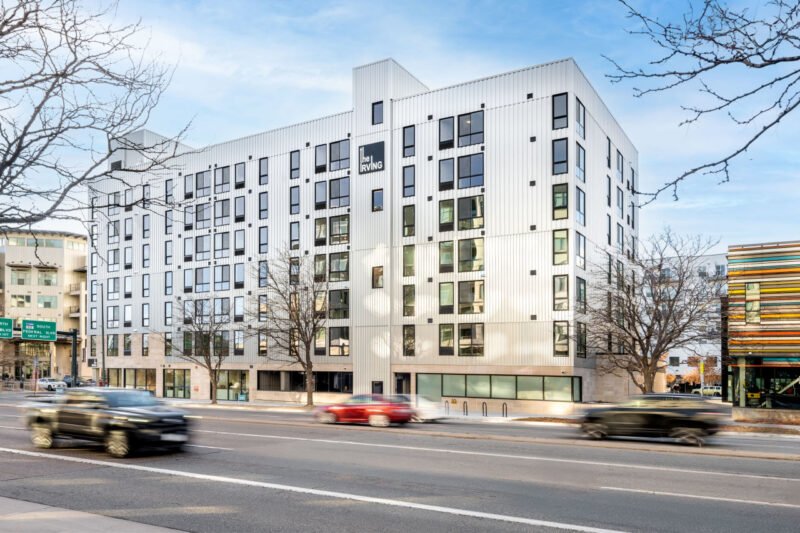
Nonprofit developers statewide have seen how fast costs add up. For example, ULC spent $283,000 in property taxes on vacant land over several years of land banking and predevelopment, in order to develop The Irving at Mile High Vista apartments at 3270 W. Colfax.
The bill also includes an accountability rule. The tax exemption would be temporary, lasting up to 10 years during development. If housing is not built or renovated within that time, the nonprofit would owe property taxes for the years it was exempt.
ULC supports HB 26-1066 because every dollar we don’t have to spend on taxes is a dollar we can put into our mission of delivering affordable real estate for good.
Learn more about HB 26-1066, and urge your state lawmakers to support the bill.
Supporters
Archway Communities
Colorado Bankers Association
City of Aspen
Colorado Association of Ski Towns
Enterprise Community Partners
NAIOP Colorado
Neighborhood Development Collaborative (NDC)
Q&A
Please check back for Q&A about this bill.