
 Search


11/25/2025
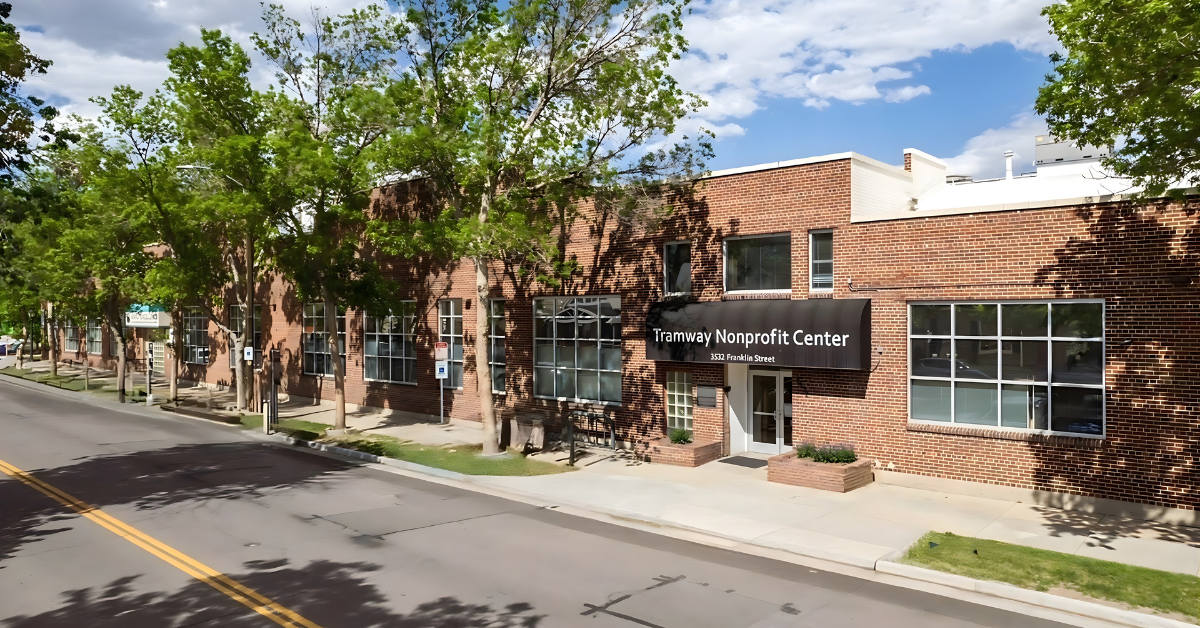
Nonprofits can strengthen their missions and protect themselves by making smart decisions about the spaces they lease. Here are four practical strategies for making mission-aligned, cost-effective real estate choices.
1. Focus on Mission and Stability
Real estate decisions – like leasing vs. buying, or short-term vs. long-term leasing – must align with your strategic plan and growth forecast. If your programs are expanding, look for flexibility. It may help to have a shorter lease, or the option to expand into adjacent space. (For example, a right of first refusal (ROFR) or offer (ROFO) reserves you first dibs on a new space when it becomes available.)
Location is critical. Choose a site that’s accessible to clients and staff, and close to public transportation, parking, and community resources like schools or health centers.
Finally, ensure the space supports your mission. A youth organization may need open, flexible areas. A food bank needs storage and distribution space. The right space should enhance your work, not limit it.
2. Understand the True Cost of Occupancy
Base rent is only part of the picture. The total cost of occupancy includes all monthly costs and one-time expenses.
- Lease Type: Understand whether you’re signing a “full-service gross” lease (with taxes, maintenance, and insurance included in your rent) or a “triple net” (NNN) lease, where those costs are additional and may fluctuate. Triple net leases require careful budgeting and forecasting.
- Tenant Improvements: Negotiate a landlord-funded tenant improvement (or “TI”) allowance to offset the cost of customizing your space.
- Other Costs: Budget for your utilities, janitorial services, parking fees and moving expenses.
3. Negotiate for Flexibility and Protection
Nonprofits should negotiate lease terms that protect against unexpected challenges.
- Lease Term and Rent: Ask for predictable rent-review clauses like capped increases, which would set limits on rent increases each year. Also, ask for “break clauses” that allow early termination if circumstances change or you lose funding.
- Repairs: Define who is responsible for repairs. Avoid taking on excessive maintenance like major structural or mechanical repairs.
- Permitted Use and Signage: Make sure your intended activities – programs or community gatherings – are allowed by the owner and by zoning, and that you can display your organization’s name visibly if you are serving clients on site.
4. Leverage Experts and Local Resources
Work with professionals who understand nonprofit real estate. Involve your organization’s decision-makers early to keep approvals on track.
- Tenant Broker: Tenant brokers who specialize in nonprofit real estate are indispensable. They act as your advocate in any transaction, and they understand the nonprofit sector. They can market-test your deal to make it competitive, and often their fee is paid by the landlord.
- Legal Counsel: Have a commercial real estate attorney review and approve the lease. Put the lease in the nonprofit’s name – not an individual’s name – to avoid personal liability.
- Specialized Firms: Look for firms or brokers with a nonprofit or community real estate practice. They’re likely to have a strong understanding of the sector. Likewise, Community Development Financial Institutions (CDFIs) may be able to offer special financing or grants. Colorado Legal Services is a nonprofit that may be able to answer questions about commercial leases.
Finally, Urban Land Conservancy (ULC) is a Denver nonprofit that preserves, develops, and manages permanently affordable real estate for community benefit. ULC provides low-cost leasing to more than 50 nonprofits, and has supportive lease terms that allow a lessee to terminate without penalty if critical grant funding disappears. ULC is a proud partner and member of the Colorado Nonprofit Association. Learn more about ULC’s leasing opportunities.
This article is from Colorado Nonprofit Association’s resource library. The resource library is a learning repository with a variety of how-to and educational videos, templates, articles and best practices exclusively for Colorado Nonprofit Association members.
Impact in Action
Recent Articles